
Supporting Elders Through Trauma, Loss and Loneliness or Every Wrinkle Tells a Story: Honouring the Lives of Our Elders
When we look at an older person, what do we see?
An elder waiting at a bus stop. A grandmother attending a community group. A neighbour tending a garden. Too often, society sees age before it sees the person.
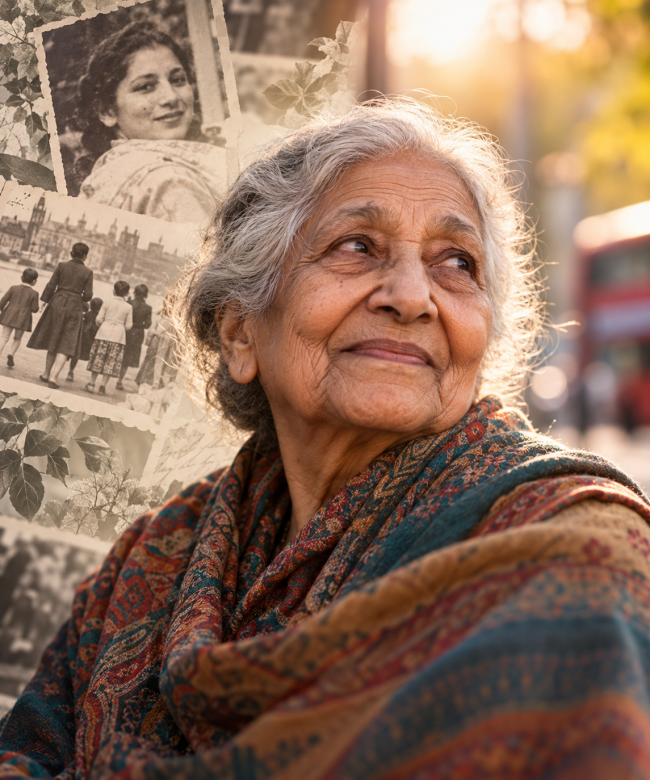
Every older person has lived a lifetime of experiences that have shaped who they are today. Behind every face lies a story of hopes, achievements, challenges, and relationships. Many have also endured hardships that remain largely unseen.
At Cassandra Centre, the elders we support have lived through extraordinary periods of social change and adversity. Some have experienced war, endured displacements such as, migration, poverty, discrimination, and/or family separation. Others have faced domestic abuse, bereavement, illnesses and profound loss. While many may have spent years caring for others, their own emotional wounds often remained unspoken.
Trauma does not always fade with time. For some older people, painful experiences continue to affect their wellbeing long after the events themselves have passed. Feelings of grief, anxiety, fear or loss may remain, influencing not only their own lives, but sometimes those of future generations.
This is often referred to as intergenerational trauma. The effects of violence, poverty, racism, displacement, and other forms of adversity can shape family relationships, coping strategies, and patterns of behaviour across generations.
Alongside these challenges, many older people experience a growing sense of isolation and loneliness. In a society that frequently prioritises youth and independence; some elders can often feel overlooked or disconnected. While many enjoy strong support networks, others may go encounter days without meaningful social contact. Loneliness is about more than being alone. It is the feeling of no longer being seen, heard, or connected to others.
At Cassandra Centre, we believe every older person deserves dignity, respect, and a sense of belonging. Supporting our elders means that we are recognising the whole person, including their experiences, strengths, and contributions, rather than defining them by age alone.
Our approach is rooted in community. For generations, elders were valued as sources of wisdom, knowledge and experience. Strong communities ensured that people remained connected and supported throughout their lives.
Through our programmes and activities, we create opportunities for older people to build friendships, share experiences, learn new skills, and strengthen connections across generations. Just as importantly, we create spaces where people feel welcomed, valued, and included.
Often, the most meaningful support comes through simple acts: a conversation, a shared meal, a phone call, a community outing, or a moment of laughter. Small acts of connection can make a profound difference to someone who feels isolated.
Our elders carry stories of pain, resilience, courage, love, and perseverance. By listening to those stories and valuing the people who hold them, we strengthen not only individual lives but our communities.
No one should have to face the weight of life’s challenges alone. Together, through compassion, connection and community, we can ensure that older people remain valued, supported, and included.
At Cassandra Centre, we are proudly to stand alongside our elders, helping to build the sense of belonging that everyone deserves.